



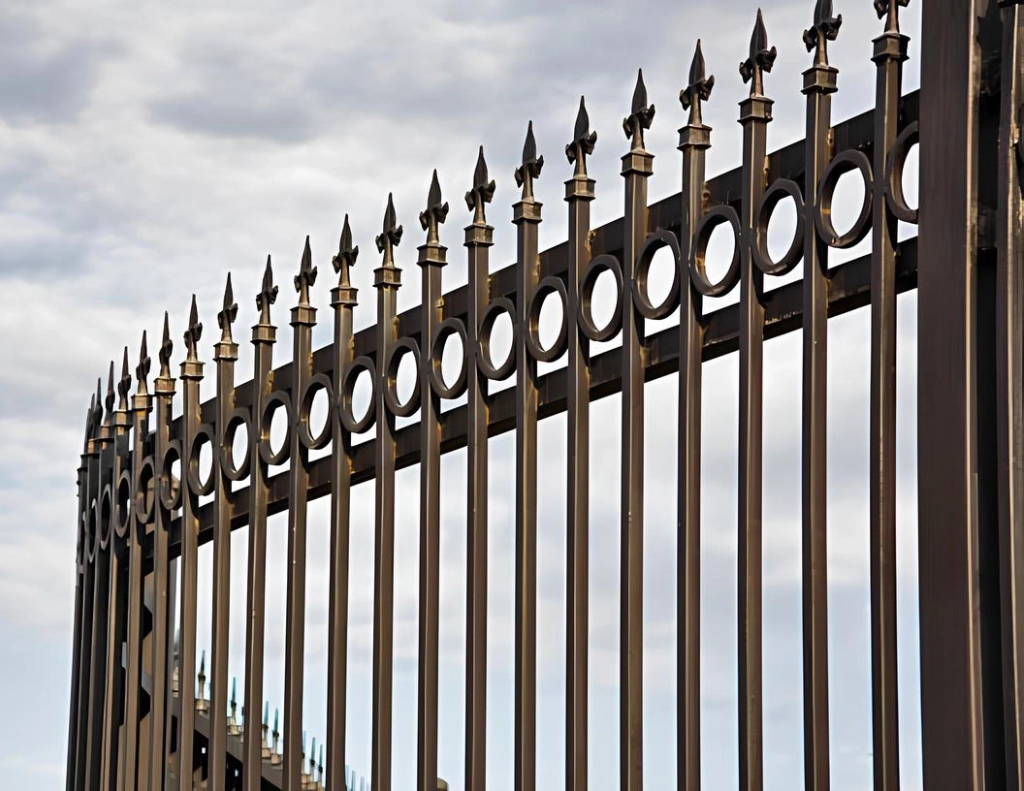
Temporary security fencing can suit a short construction phase or a changing site, while a permanent fence is better suited to an ongoing boundary. The choice depends on how long the barrier is needed and how people and vehicles move through the property.
A construction site may need to separate a work zone from visitors and deliveries, while a warehouse may need a perimeter for years. Comparing the full period of use helps a business choose a fence that fits its property.
How Temporary and Permanent Fences Differ
Temporary fencing is intended to move or come down as needs change. A permanent fence becomes part of the property’s long-term layout.
Duration and Installation
Panels can surround a work area for a limited phase and, depending on the system and site, be moved later. Permanent installations require planning for posts, gates, and the way the property will be used over time.
Factors to Compare
Neither type guarantees protection. Height, openings, connections, hardware, and daily management all affect how well a barrier serves the site. A fence establishes a boundary, but it cannot prevent every unauthorized entry.
Consider these differences:
- Duration: Temporary barriers suit defined project phases; permanent fences serve ongoing needs.
- Layout: Temporary panels may be easier to reconfigure, while permanent fence lines and gates need careful planning.
- Budget: Compare setup, rental charges, relocation, removal, and maintenance. The lowest initial price may not mean the lowest total cost.
- Access: Both options need entry points suited to the people and vehicles using the property.
- Site conditions: Pavement, slopes, utilities, and nearby traffic can affect placement and installation.
Choose Security Fencing Around the Length of the Job
The expected schedule is a useful starting point, especially if the work area will change as a project progresses.
Temporary Fencing for Active Work Areas
A temporary barrier can separate construction activity from parking, deliveries, or the public. If staging areas move, the proposal should explain whether panels can be relocated and who would handle the change.
Permanent Fencing for Ongoing Boundaries
A permanent fence may make more sense around a storage yard or property line that will need a boundary after construction ends. The layout can reflect regular deliveries, employee access, and daily use.
When Both Types Are Needed
Some properties need both. A temporary barrier can separate a work zone while a permanent perimeter remains in place, as long as equipment and vehicles can still reach the areas they need.
Plan Gates Before Drawing the Fence Line
A fence line works best when the openings are planned around the property’s actual traffic. That includes delivery vehicles, employees on foot, and enough room to open a gate without blocking a road or sidewalk.
Allow for Vehicle and Pedestrian Access
A narrow gate can force drivers onto an unintended route, while one that leaves trucks waiting in a travel lane can disrupt the site. Clear openings, operating space, locks, and responsibility for closing the gate all belong in the discussion.
Account for Changing Site Needs
Temporary projects may bring different equipment and deliveries at each phase. A permanent yard may need room for future changes. In either case, access should support the property’s emergency and operating plans rather than replace them.
Match the Barrier to the Site and Its Risks
The choice also depends on the surface along the proposed line and the other measures used to manage access.
Consider Visibility and Ground Conditions
A solid screen limits views but can also reduce visibility from inside the property. An open fence preserves sightlines while leaving stored items visible, so the trade-off depends on the site’s priorities.
Low spots, pavement edges, slopes, and delivery traffic can affect placement. Walking the proposed line during normal operations and after rain can reveal issues worth discussing before a system is selected.
Include Other Security Measures
Security fencing is one part of a broader plan. Lighting, locks, monitoring, and staff procedures should be considered alongside the barrier by the people responsible for the property.
Compare Proposals Over the Full Period of Use
The lowest initial price may not be the lowest cost over time. Compare the proposed scope and exclusions as carefully as the total.
Review Temporary Fencing Costs
A temporary fence quote may address delivery, installation, the use period, extensions, relocation, and removal. If rental is available, check the billing terms and what happens if the schedule runs long. Purchasing may suit recurring needs, but storage and future setup add responsibilities.
Review Permanent Fencing Costs
For a permanent fence, a written proposal should identify the line, materials, gate locations, and site preparation. It should also make clear who handles utility coordination, removal of an existing barrier, and any applicable approvals.
Check Requirements Before Installation
Check requirements with the property owner and local building authority before installation. Lease terms, neighboring properties, and site-specific safety obligations may also affect the plan; one project’s approval does not automatically apply to another.
Discuss Your Commercial Fence Project
Planning security fencing for a Southwest Ohio commercial property? Call OE Decks & Outdoor Living at 937-694-2247 to request a written estimate. Share your proposed perimeter, access points, and project schedule so we can discuss temporary and permanent options, including the availability and terms of any rental arrangement.