



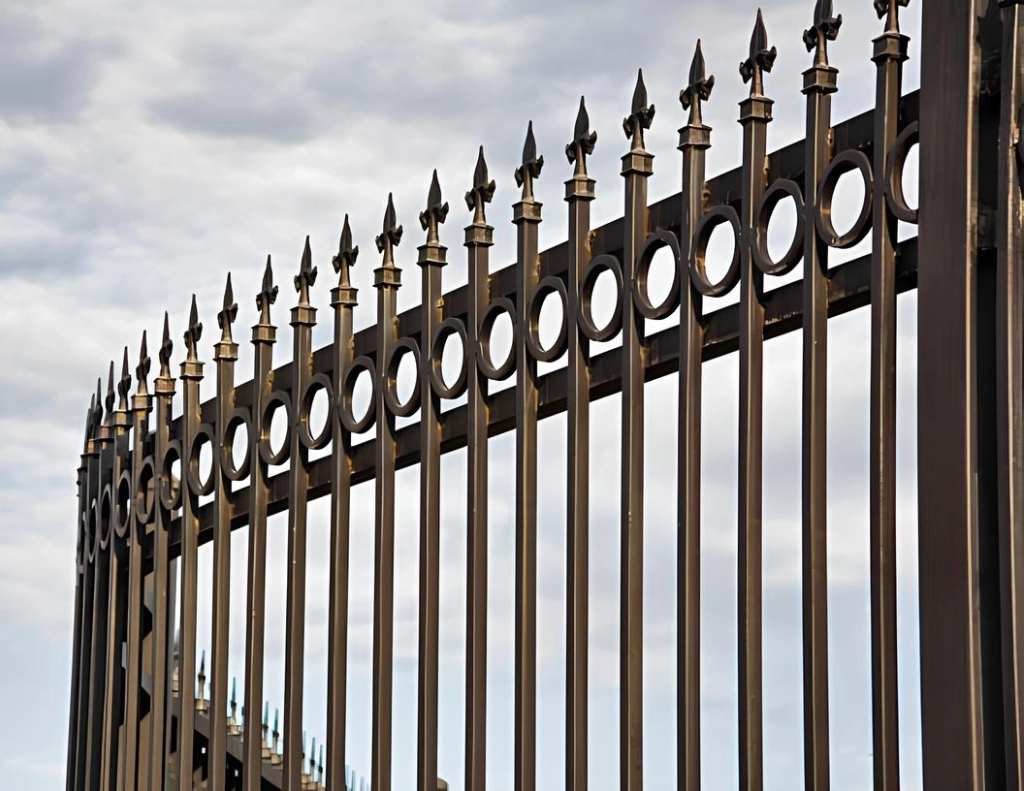
A security fence needs to do more than mark a property boundary. Its height, material, design, placement, and access points all affect how well it fits the property and the purpose behind the installation.
Before choosing a security fence, consider these factors to make sure the design matches the property and the level of protection you want to achieve.
Start With the Purpose of the Fence
The first consideration is what you want the security fence to accomplish. A fence may be intended to control access, create a stronger boundary, or add separation around a residential or commercial property.
Security fencing can be used in both residential and commercial settings, but the appropriate design can differ depending on the property and how the fence will be used. Clearly identifying the purpose first makes it easier to evaluate the other decisions that follow.
Consider the Property and Fence Location
The location of the fence affects its overall design and installation. The property layout, existing features, and intended boundary should be considered before materials or fence styles are selected.
A proper site assessment and planning process can help determine where the fence should be installed and what preparation may be required. This is particularly important when the fence will run across uneven areas, around existing features, or along a large property.
Choose a Material That Fits the Property
Security fencing is available in several materials, and each creates a different appearance and construction approach.
Depending on the project, options include:
- Chain link: A practical fencing option for properties where visibility and defined boundaries are important.
- Ornamental aluminum: Provides a more finished appearance while creating a defined perimeter.
- Vinyl: Offers a different appearance and can be considered when the property’s aesthetic is an important part of the decision.
- Wood: Provides a traditional material option and can be used for certain security and boundary applications.
- Brick or precast: Creates a more substantial, masonry-style boundary.
The right material should be selected based on the property’s needs, desired appearance, and intended use rather than choosing solely by appearance.
Think About the Fence Design and Height
A security fence should be designed around the level of separation and access control the property requires. Height, configuration, and the amount of visibility through the fence can all influence the finished result.
A completely enclosed appearance is not always necessary. In some situations, a more open fence design may provide the boundary and access control needed while maintaining visibility around the property. The design should also work with the existing property rather than creating unnecessary visual or functional obstacles.
Do Not Overlook the Gate
A fence is only one part of controlling access to a property. Gates should be considered during the initial design rather than added as an afterthought.
Gate placement should make sense for how people enter and leave the property. It should also work with the fence’s overall design and intended function. Planning the gate at the same time as the fence can create a more cohesive installation and help ensure that access points are located where they are actually useful.
Check Permit Requirements Before Installation
Permit requirements should be confirmed before construction begins. Depending on the property and project, local requirements may affect where and how the fence can be installed.
Permit acquisition can be included as part of the fence installation process, helping address applicable requirements before site work begins. Taking care of these considerations early can prevent avoidable changes later in the project.
Plan for the Installation Process
The fence itself is only the visible part of the installation. The site must be prepared and the fence posts properly installed to create the planned boundary.
A typical installation can involve:
- Site assessment and planning
- Permit acquisition when required
- Site preparation
- Excavation and post installation
- Fence installation
- Gate installation
Planning these stages together helps account for the actual conditions of the property rather than treating the fence as a series of individual components.
Choose a Fence That Fits the Property
The best security fence is not necessarily the tallest or most substantial option. It should provide the type of boundary and access control the property requires while fitting the site’s layout and appearance.
Considering the purpose, location, material, design, gate, permits, and installation requirements before making a decision can help create a security fence that works as intended.
OE Decks & Outdoor Living provides residential and commercial fencing services, including security fencing, site assessment and planning, permit acquisition, installation, and gate installation. Serving the Waynesville, OH area, call +1 937 694 2247 to discuss your fencing project.